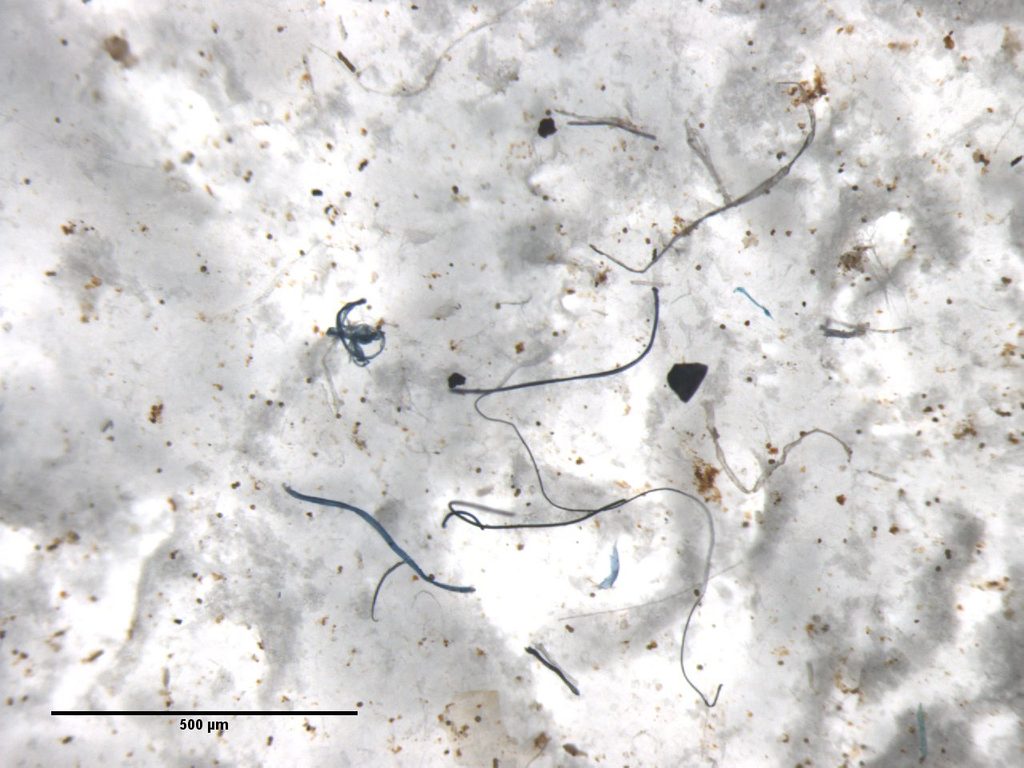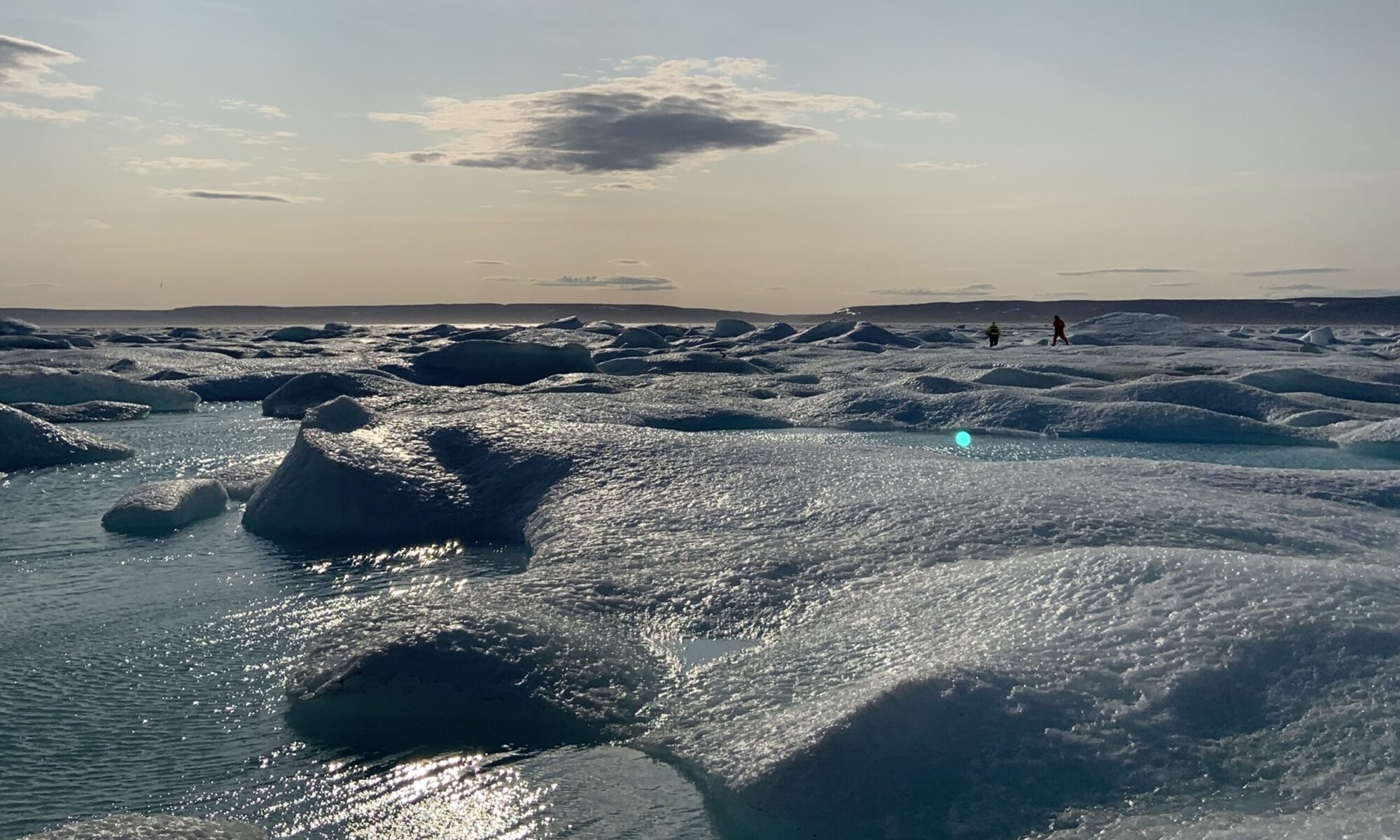
My research examines how climate change and human activities influence Arctic marine biogeochemistry. I combine field observations, laboratory analyses, and experiments to investigate particle fluxes, methane cycling, and microplastic pollution – from their distributions in seawater and sea ice to their interactions with marine organisms.
Current projects
Microplastics in the Siberian Arctic
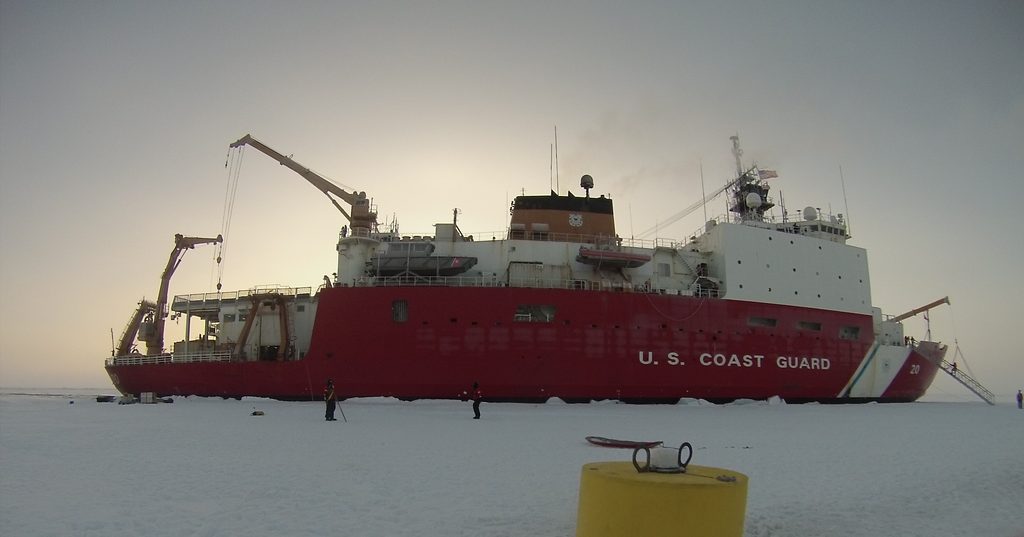
Freshwater inputs and stratification influence the transport of materials and the environmental conditions experienced by organisms across the Arctic Ocean. Within a collaborative project associated with the Nansen and Amundsen Basins Observational System (NABOS), I investigate microplastic distributions and interactions with zooplankton along the Siberian Arctic shelf-to-basin gradient. Our team comprises four early-career scientists: myself, Dr. Gaffey (Oregon State University), Dr. Chamberlain (UiT The Arctic University of Norway), Dr. Jensen (Columbia University), and Dr. Robert Campbell (URI’s Graduate School of Oceanography).
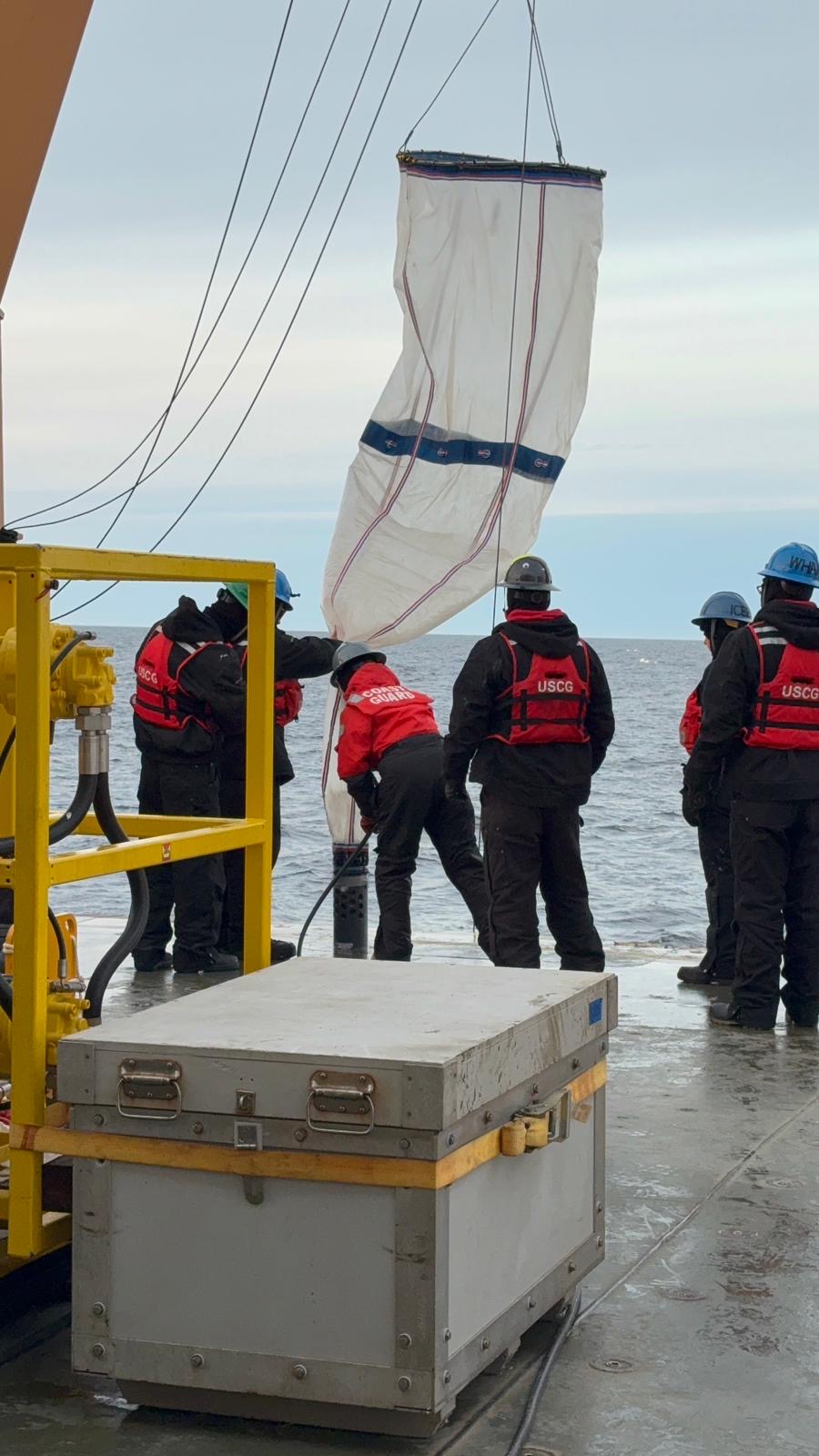
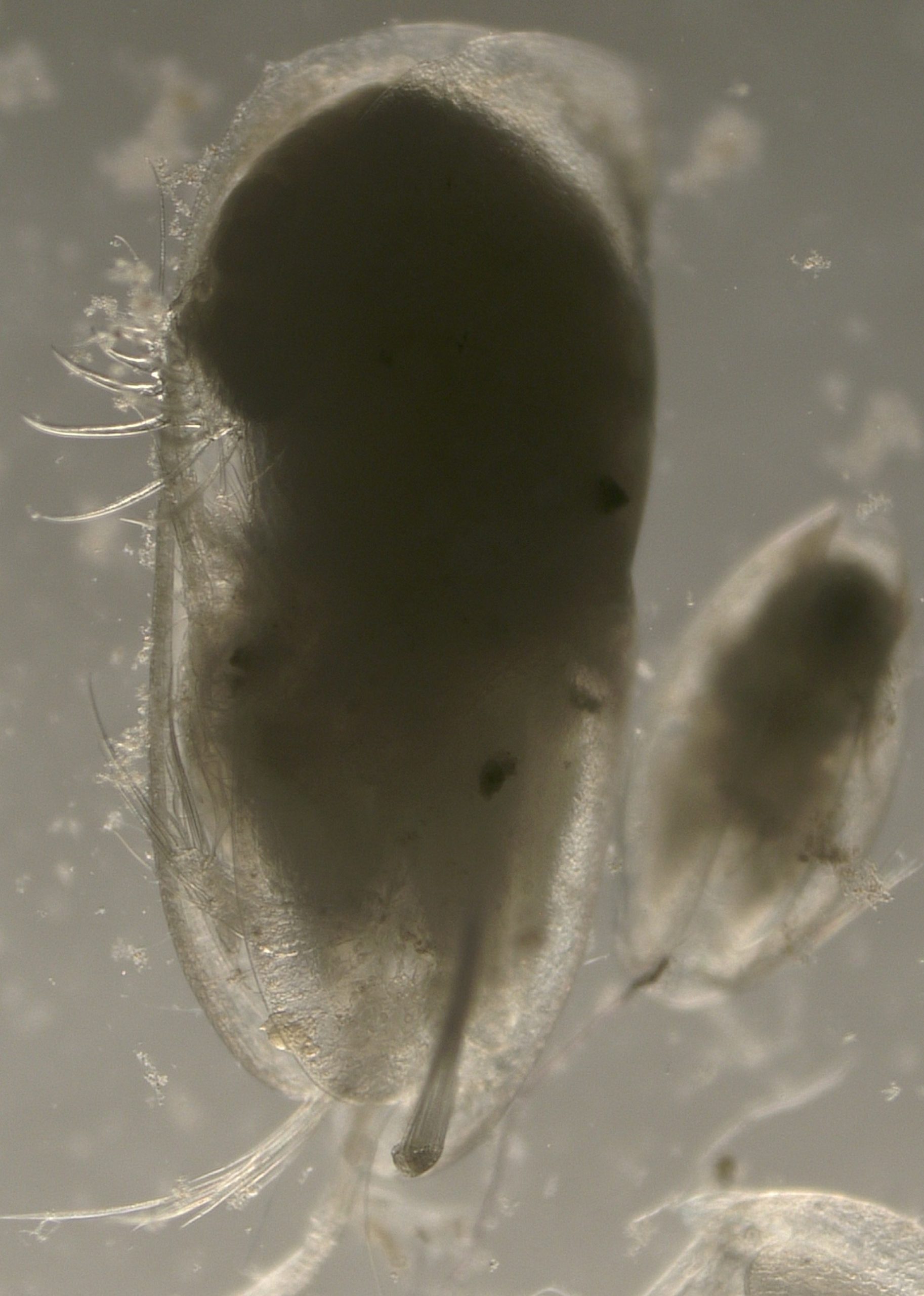
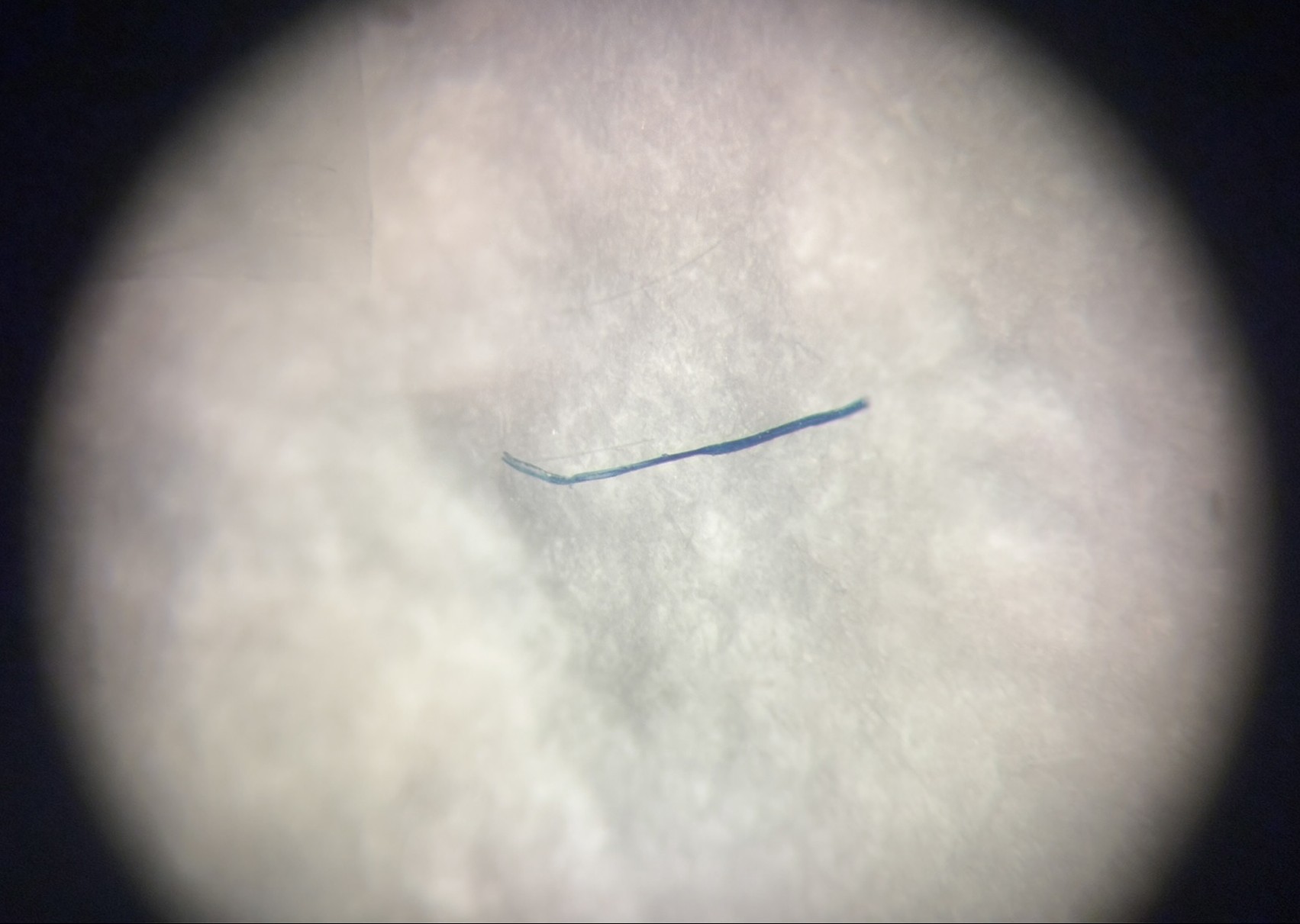
My contribution focuses on microplastic sampling, characterization, and polymer identification, alongside investigations of microplastic ingestion by Arctic zooplankton. I participated in the 2025 NABOS expedition aboard the USCGC Healy, working with seawater, sea ice, and zooplankton samples. This research places microplastic observations within the wider physical and biogeochemical context of the expedition.
The project is supported by the U.S. National Science Foundation’s Office of Polar Programs.
Micro-Fit: microplastic exposure and zooplankton responses
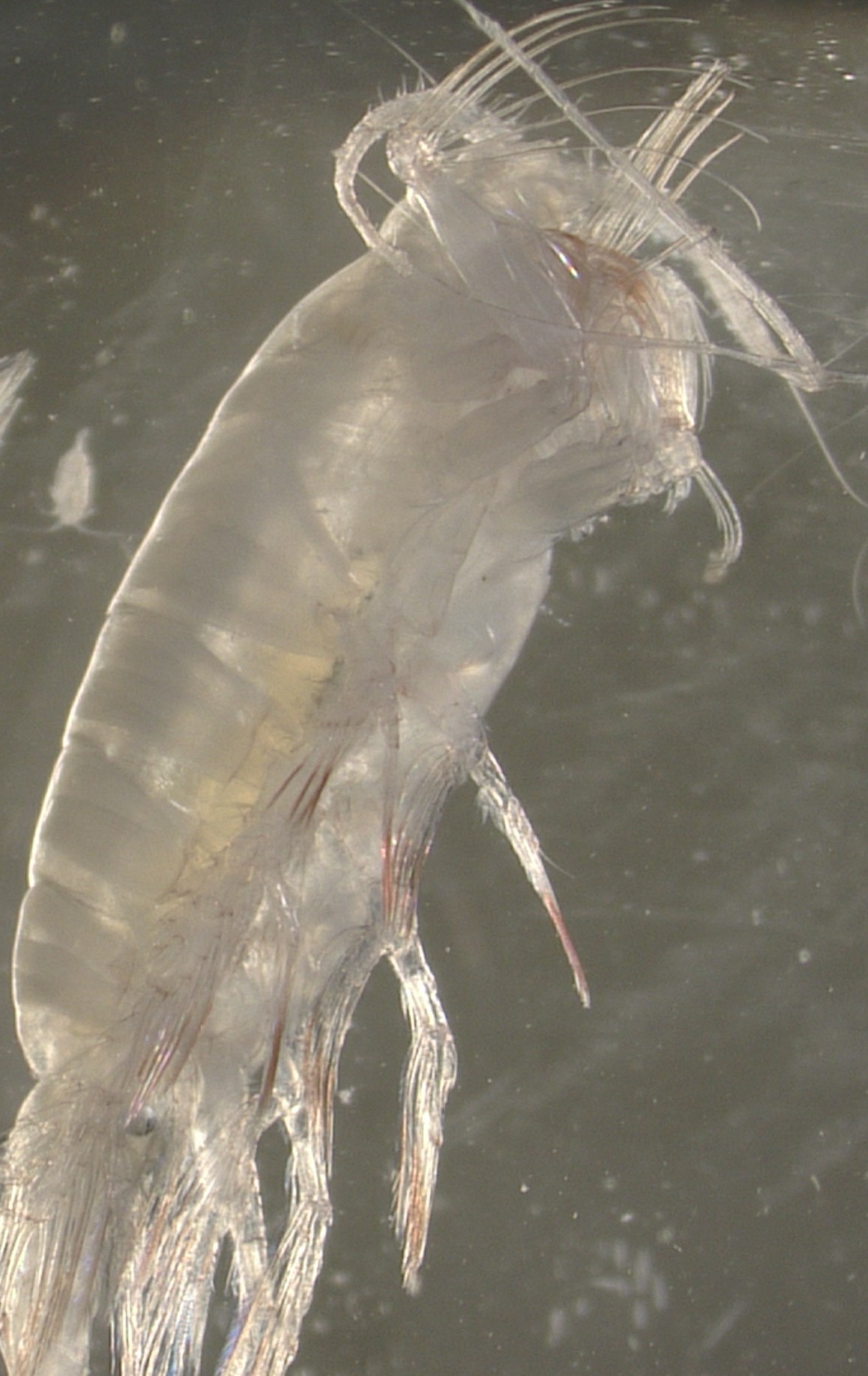
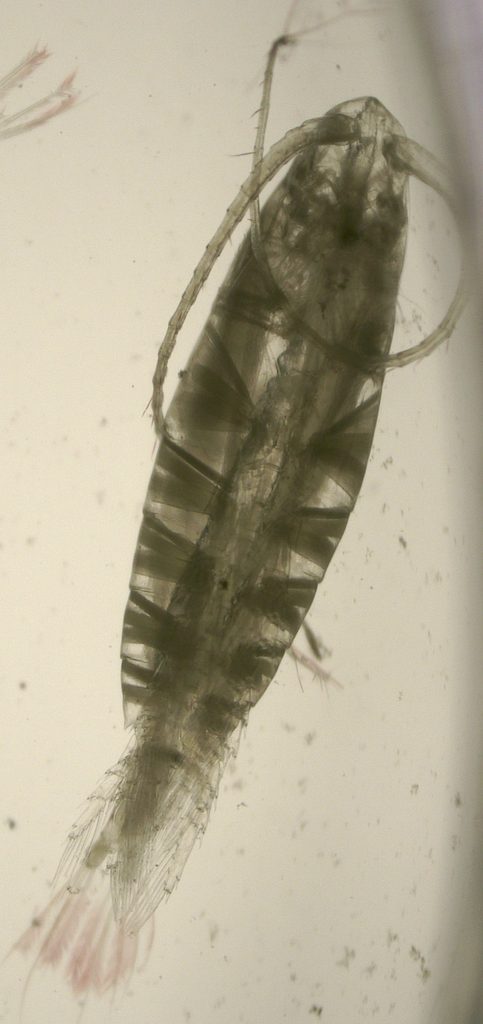
How does microplastic exposure affect the organisms that connect primary producers with higher levels of marine food webs? Micro-Fit examines microplastic ingestion and responses in the copepod Calanus finmarchicus through controlled laboratory experiments.
Together with Dr. Mayers (NORCE), I investigate how exposure to microplastic mixtures affects feeding and reproduction, including egg production and hatching success. By combining observations of microplastic ingestion with measurements of these biological responses, the project examines effects that environmental microplastic concentrations alone may not reveal.
Micro-Fit is awarded transnational access through the IRISCC programme, with research access involving Umeå University’s Umeå Marine Sciences Centre.
Selected previous research
Methane cycling in the Canadian Arctic Archipelago
The Canadian Arctic Archipelago comprises interconnected waterways shaped by freshwater inputs, sea ice, and contrasting oceanographic conditions. As part of the Northwest Passage Project, I worked in Dr. Brice Loose’s lab (GeoTracer Kitchen) at URI’s Graduate School of Oceanography to investigate methane distributions and potential methane oxidation rates in this region.
The project was supported by the U.S. National Science Foundation, with additional support from the Heising-Simons Foundation.
Related publications:
The marine methane cycle in the Canadian Arctic Archipelago during summer — Polar Science, 2024. https://doi.org/10.1016/j.polar.2024.101128.
Crable, F. S., et al. Elucidating the influence of freshwater and sympagic inputs on biogeochemical cycling in the Canadian Arctic Archipelago. Polar Science, 2025. https://doi.org/10.1016/j.polar.2025.101355.
Related dataset:
Northwest Passage Project seawater dataset, July – August 2019, Canadian Arctic Archipelago. Arctic Data Center. https://doi.org/10.18739/A2BN9X45M.
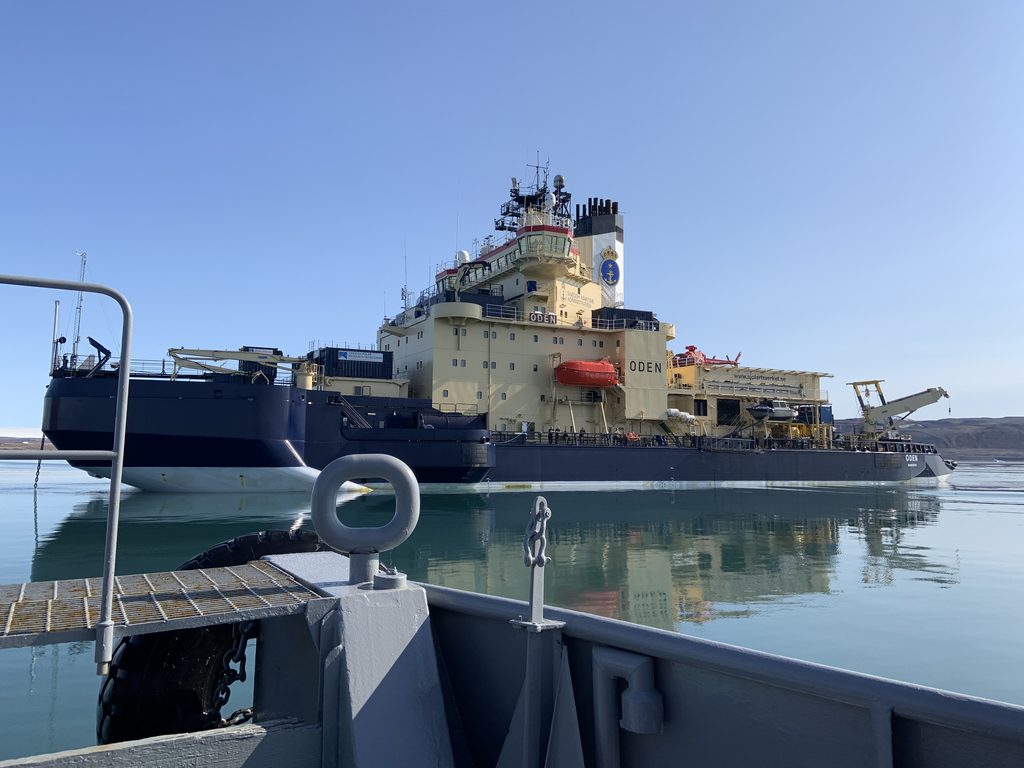
Methane cycling during the MOSAiC Arctic drift
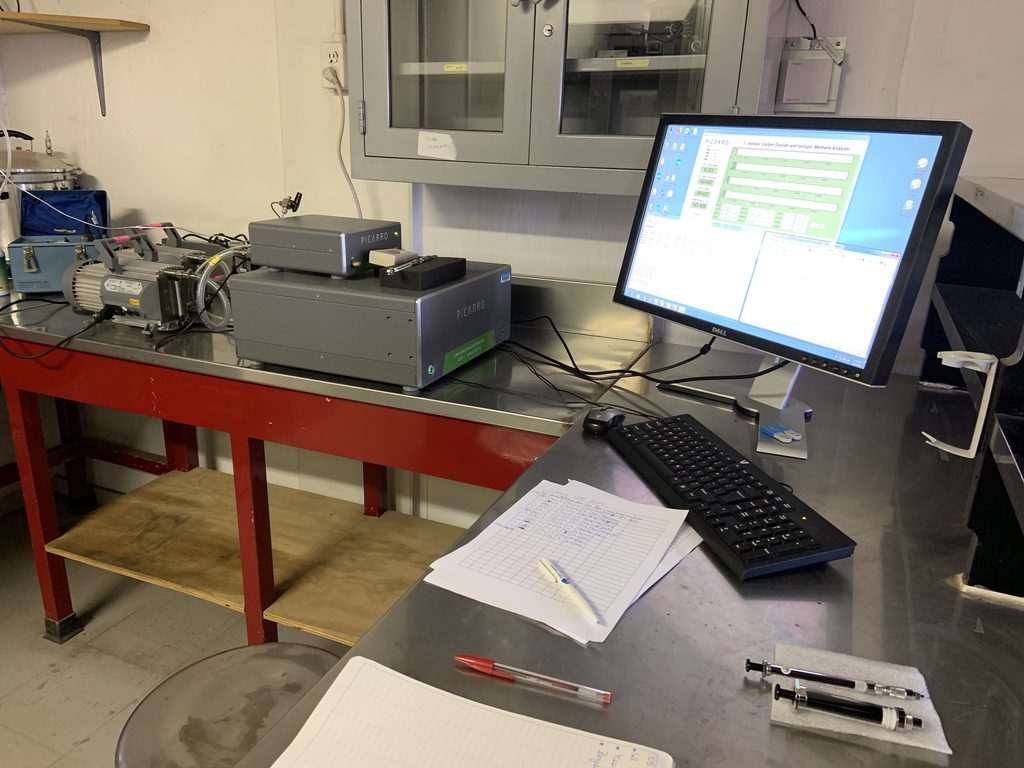
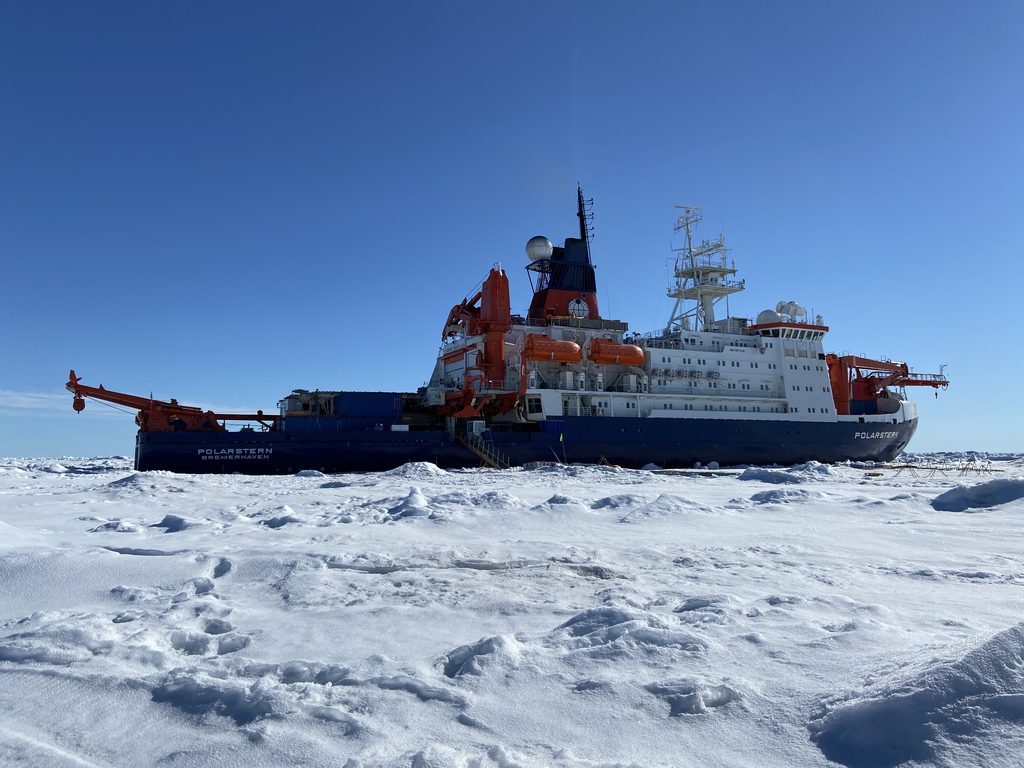
The MOSAiC expedition provided an opportunity to investigate Arctic processes as an icebreaker drifted with the sea ice through an annual cycle. As part of GeoTracer Kitchen, I investigated dissolved methane and potential microbial methane oxidation, combining dissolved methane measurements with experimental incubations to assess potential oxidation rates.
The project was supported by the U.S. National Science Foundation.
Related publications:
Rokitta, S.D., et al. Baselines Matter: Mass Spectrometric Assessments of Biological O2 Supersaturation (ΔO2:Ar) Benefit from Two-Point Calibrations. Analytical Chemistry, 2025. https://doi.org/10.1021/acs.analchem.5c02252.
Chamberlain, E.J., et al. Predictive links between microbial communities and biological oxygen utilization in the Arctic Ocean. Limnology Oceanography, 2025. https://doi.org/10.1002/lno.70125.
Laukert, G., et al. Dynamic ice–ocean pathways along the Transpolar Drift amplify the dispersal of Siberian matter. Nature Communications, 2025. https://doi.org/10.1038/s41467-025-57881-9.
Smith, M.M., et al. Thin and transient meltwater layers and false bottoms in the Arctic sea ice pack—Recent insights on these historically overlooked features. Elementa: Science of the Anthropocene, 2023. https://doi.org/10.1525/elementa.2023.00025.
Related dataset:
Methane in-situ and in-vitro data in seawater, sea ice, and meltwater from the Multidisciplinary Drifting Observatory for the Study of Arctic Climate (MOSAiC), October 2019 – October 2020. Arctic Data Center. https://doi.org/10.18739/A2348GH8W.
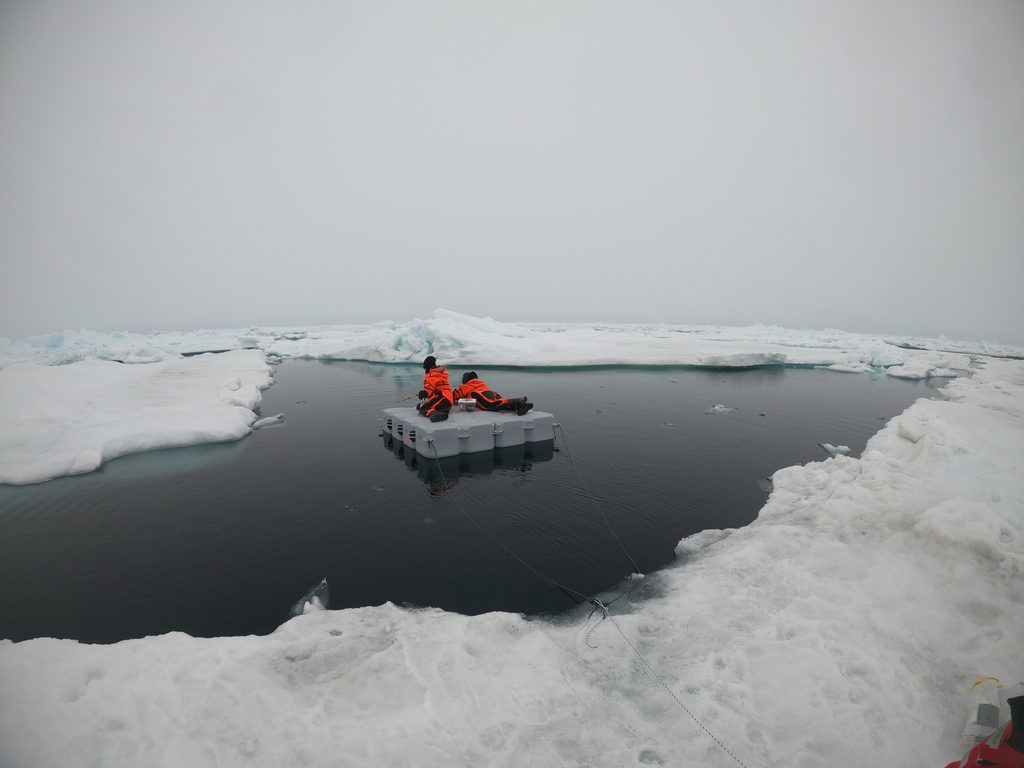
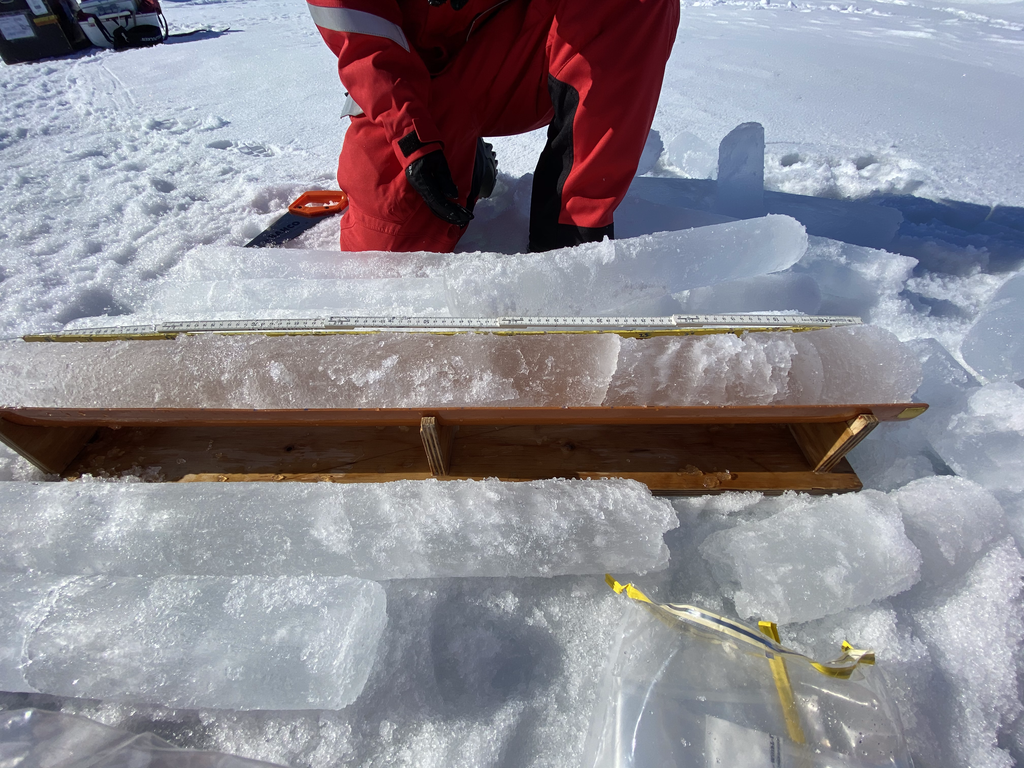
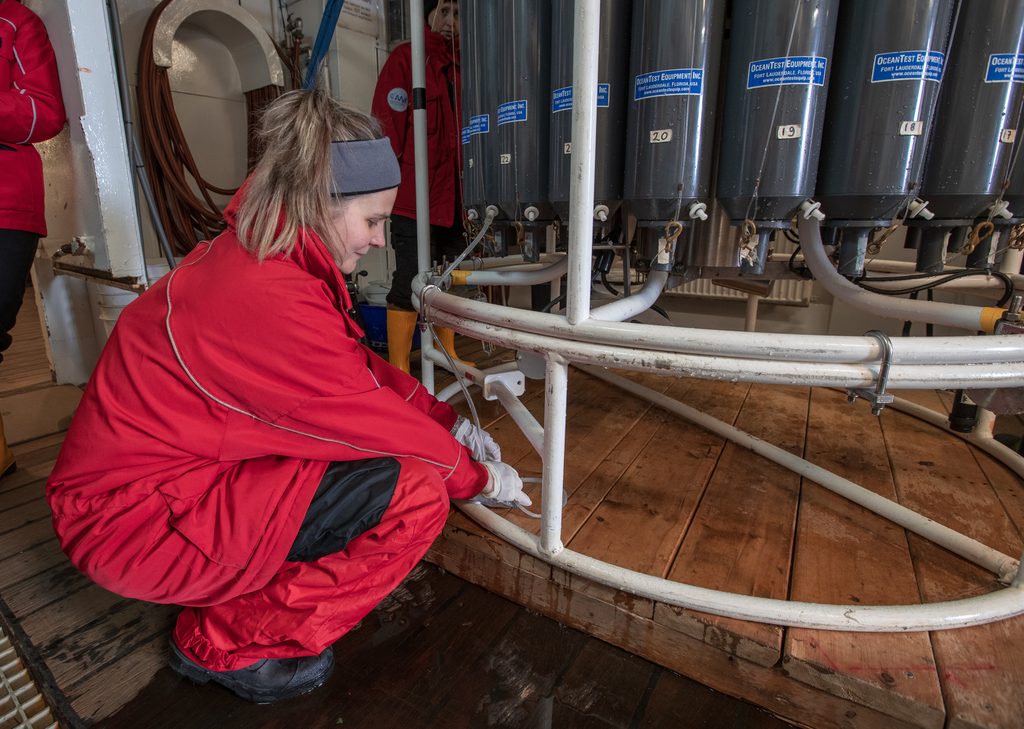
Particle fluxes in Kongsfjorden, Svalbard
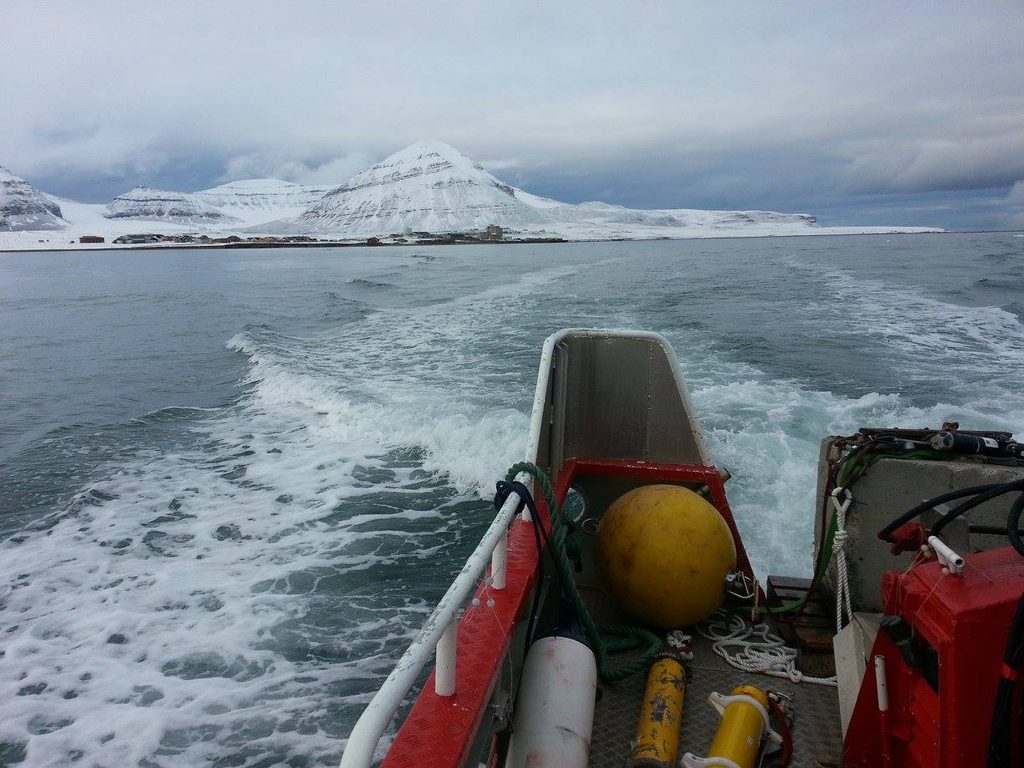
My doctoral research at the University of Siena, conducted at the Italian National Research Council’s Institute of Marine Sciences in Bologna, investigated how seasonal and interannual variability influences the transport of organic and inorganic matter in Kongsfjorden, an Arctic fjord in Svalbard.
Using moored sediment-trap time series, I examined changes in the amount and biogeochemical composition of sinking material. Related research included taxonomic identification and analysis of mesozooplankton collected in the traps, providing a complementary record of variability in the material recovered.
This project was funded by Progetto Premiale MIUR ARCA, coordinated
by the Department of Earth Sciences and Technologies for the Environment of the Italian National Research Council.
Related publications:
Aliani, S., et al. Characterization of seawater properties and ocean heat content in Kongsfjorden, Svalbard Archipelago. Rendiconti Lincei: Scienze Fisiche e Naturali, 2016. https://doi.org/10.1007/s12210-016-0544-4.
Multi-year particle fluxes in Kongsfjorden, Svalbard. Biogeosciences, 2018. https://doi.org/10.5194/bg-15-5343-2018.
Multi-year mesozooplankton flux trends in Kongsfjorden, Svalbard. Polar Biology, 2024. https://doi.org/10.1007/s00300-024-03251-y.
Microplastics across air, sea ice, and seawater
My microplastics research focuses on collecting, identifying, and characterizing particles in marine environments, with additional work on airborne microplastic sampling. I began this work as a postdoctoral researcher at GeoTracer Kitchen, within the University of Rhode Island’s Graduate School of Oceanography. Since then, I have independently expanded and developed my own research focused on marine plastic pollution.
In 2019, during the Northwest Passage Project in the Canadian Arctic Archipelago, I collected sea-ice cores and analyzed the vertical distribution and composition of microplastics within the ice. These findings were presented in a joint publication alongside observations from drifting sea-ice and seawater samples collected in 2020 from the Chukchi–Beaufort Sea shelf by Nicole Trenholm of the University of Maryland Center for Environmental Science.
Building on my experience in microplastic sampling and analysis, I co-conceived a cyclone-based approach for collecting airborne microplastics with Dr. Calmer of the Norwegian Polar Institute. This work formed part of a collaborative project with researchers at the University of Colorado Boulder’s Cooperative Institute for Research in Environmental Sciences (CIRES). The project combined sampling-instrument development, laboratory and flight testing, and particle analysis, enabling the collection and detection of airborne microplastics using an uncrewed aerial system.
The project was supported by the Cooperative Institute for Research in Environmental Sciences (CIRES), University of Colorado Boulder, through their Innovative Research Program.
Related publications:
Microplastics distribution within western Arctic seawater and sea ice. Toxics, 2023. https://doi.org/10.3390/toxics11090792.
Calmer, R., et al. Measuring atmospheric microplastic composition and occurrence from an uncrewed aerial system. Science Reports, 2026. https://doi.org/10.1038/s41598-026-74287-9.
Related dataset:
Calmer, R., & D’Angelo, A. Atmospheric microplastic composition and concentration from an uncrewed aerial system [Data set]. Zenodo, 2025. https://doi.org/10.5281/zenodo.17695949.